

Your Equity Is Doing Nothing — Here’s How Smart Homeowners Use It
Most homeowners think of home equity as something that just sits there—a number on a statement, growing quietly over time.
But experienced homeowners and investors treat equity very differently. To them, it’s not passive. It’s a financial tool—one that can be deployed strategically to create income, reduce costs, and build long-term wealth.
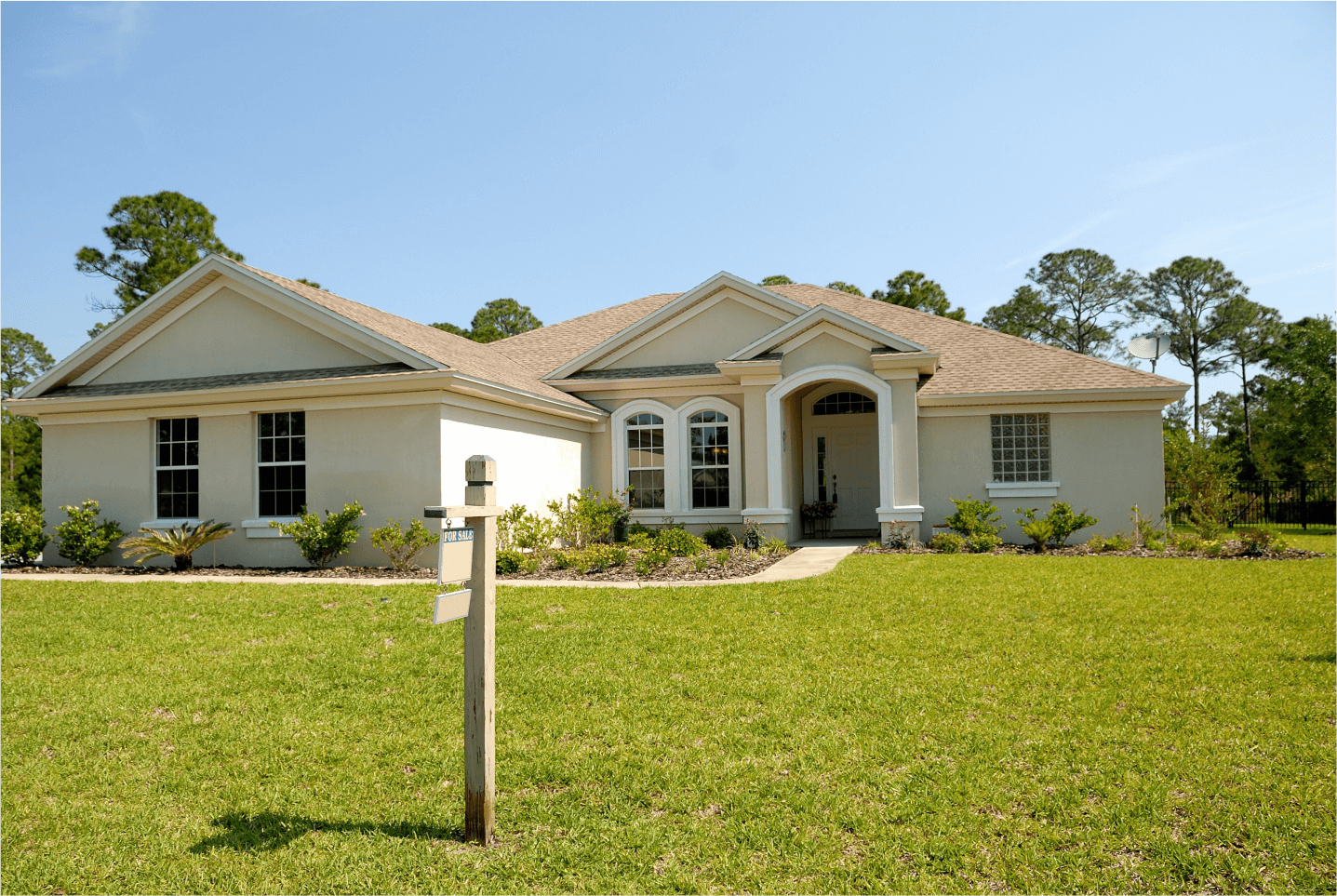
Let’s break down how that actually works.
1. Accessing Equity Isn’t a Taxable Event
One of the most misunderstood advantages of home equity is how it’s treated from a tax perspective.
When you access equity through a cash-out refinance, you’re borrowing—not earning. That means:
- It’s not considered taxable income
- It doesn’t trigger capital gains
- It doesn’t create the same tax consequences as liquidating investments or retirement accounts
For homeowners comparing options, this distinction alone can make equity one of the most efficient sources of capital available.
2. Equity Can Be Recycled to Build Wealth
High-level investors don’t just access equity—they recycle it.
A common strategy looks like this:
- Use equity from a primary residence
- Deploy it as a down payment on a rental property
- Generate rental income and additional equity
- Repeat the process over time
The result?
- One property becomes multiple
- Income streams begin to stack
- Depreciation and expenses may provide tax advantages
- Net worth compounds faster than relying on appreciation alone
Homeowners who understand this early often end up in a very different financial position 5–10 years down the line.
3. You May Be Able to Remove PMI and Pull Cash Out
There’s a common assumption that taking cash out automatically increases your costs.
That’s not always true.
If your home has appreciated significantly, you may be able to:
- Refinance
- Take cash out
- Still remain at or below 80% loan-to-value (LTV)
If that happens:
- Private Mortgage Insurance (PMI) can be eliminated
- Monthly payments may improve or stay manageable
- You gain liquidity without adding unnecessary expense
This is a scenario many homeowners overlook—but in the right market conditions, it can be a powerful financial reset.
4. Lower-Cost Capital for Business Owners
For self-employed homeowners, equity can be one of the most underutilized funding sources available.
Compare typical options:
- Business loans or SBA financing → higher rates, stricter requirements
- Unsecured credit → significantly higher interest rates
- Mortgage-backed borrowing → typically lower rates and longer terms
When used intentionally, equity can:
- Fund business expansion
- Improve cash flow
- Reduce overall borrowing costs
Of course, this only makes sense when there’s a clear plan for how the capital will be deployed.
5. Timing Matters More Than Most People Think
One of the biggest risks with waiting to access equity isn’t market timing—it’s qualification risk.
A homeowner may have strong equity today, but future changes can impact their ability to refinance:
- Health issues
- Job or income changes
- Credit events
Even if equity continues to grow, qualification is not guaranteed.
Homeowners who access equity while they are well-qualified—and deploy it into liquid or income-producing assets—often preserve flexibility that others lose.
The Bottom Line
Home equity isn’t just a passive asset—it’s a strategic resource.
Used thoughtfully, it can:
- Provide tax-efficient access to capital
- Accelerate real estate investing
- Reduce unnecessary costs like PMI
- Offer lower-cost funding for business growth
- Protect financial flexibility over time
But like any financial tool, the key is how and when it’s used.
If you’re evaluating whether tapping into your equity makes sense, the smartest first step is a personalized review. The numbers—and the strategy—should align with your goals, timeline, and risk tolerance.
* Specific loan program availability and requirements may vary. Please get in touch with your mortgage advisor for more information.
Today's Low Rates
| PROGRAM | RATE | APR |
| 30 Year Fixed | 6.375% | 6.43% |
| 20 Year Fixed | 6.125% | 6.18% |
| 15 Year Fixed | 5.625% | 5.688% |
| All rates shown with 0 points Assumptions |
||